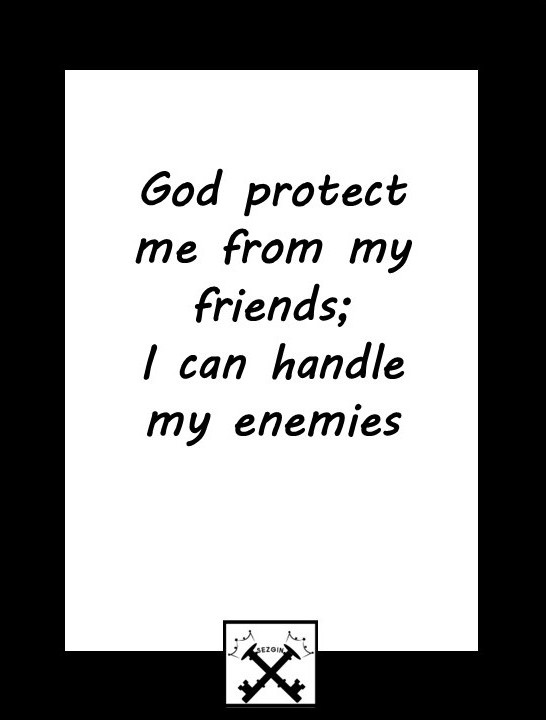
We've all heard it, maybe even muttered it under our breath after a particularly frustrating interaction: "God, protect me from my friends; I can protect myself from my enemies." This saying combines cynicism, dark humor, and relatable truth. But what does this saying really mean? And why does it resonate with so many people across cultures and generations? At its core, the proverb emphasizes the potential for harm, often unintentional, that can come from those closest to us—our friends. This suggests that the danger posed by enemies is often more obvious and predictable. We expect enemies to act against us, to try to undermine us. We are alert, vigilant, and prepared for their attacks. We know where we are. However, our relationship with friends is unique. They operate in our inner circle, privy to our vulnerabilities, our secrets, and our deepest desires. They are the people we trust, the people we rely on. But that very intimacy can make them a source of unexpected and potentially devastating harm. Consider this: How many times have you experienced betrayal due to a friend's careless words, been hurt by their careless actions, or been undermined by their well-meaning but ultimately misguided advice? We're often more forgiving of friends, attributing their missteps to good intentions or simple carelessness. However, this leniency can blind us to the potential for real damage. The saying doesn't necessarily imply malicious intent on the part of friends. In fact, often the harm they do is unintentional. Maybe they offer unsolicited advice that derails our progress. Maybe they share a secret in what they consider to be harmless conversation. Alternatively, their eagerness to assist may lead them to overreach and cause more issues than they resolve. The irony is that we expect our enemies to actively try to hurt us. We are prepared for their attacks and instinctively build defenses against them. Their actions, while painful, are rarely surprising. We can brace ourselves, strategize, and strike back. With friends, however, betrayal, even minor, can feel much more profound because it comes from a place of trust and affection. It is a violation of the unspoken contract of friendship, leaving us feeling vulnerable and exposed. Think of the friend who, driven by jealousy, subtly sabotages your efforts, or the friend who, out of a desire to support you, gives you terrible relationship advice. These actions, driven by complex emotions and motivations, can have a profound impact on our lives, sometimes more than the enemy's overt aggression. The proverb also speaks to the human tendency to be more critical of ourselves than of others. We may scrutinize our actions when dealing with enemies, carefully planning our responses and minimizing potential weaknesses. But with friends, we tend to let our guard down, exposing our flaws and imperfections, making us more susceptible to unintentional (or even intentional) harm. The proverb does not advocate paranoia or suggest that we should view all friendships with suspicion. Rather, it is a cautionary reminder to be mindful of the potential for harm, even from those we trust most. It encourages us to cultivate discernment, recognize the limitations of our friends, and guard against potential vulnerabilities. Ultimately, “God, protect me from my friends; I can protect myself from my enemies” is not about dismissing the importance of friendship. It’s about acknowledging the complexity of human relationships and recognizing that even the best intentions can sometimes lead to unintended consequences. It’s a call to self-awareness, reminding us to be vigilant not only against our enemies but also within our own inner circle. It’s an eternal truth wrapped in cynical packaging, reminding us to navigate the world with both an open heart and a healthy dose of caution. Therefore, cherish your friends and connections, but always remember to remain vigilant, as danger can sometimes arise from within.
Comments
Post a Comment